Hurricane Protection Price Per Square Meter in 2026
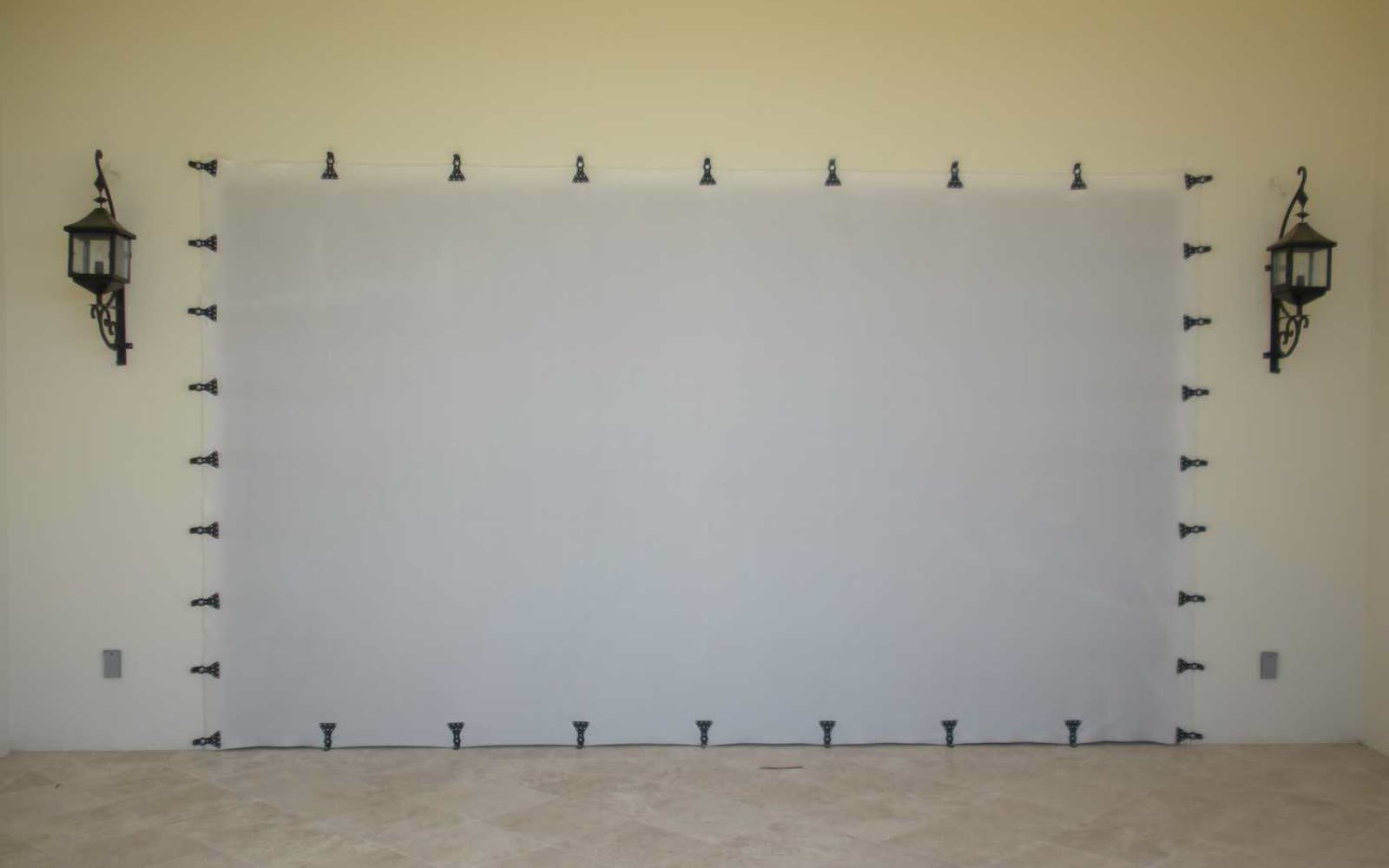
The HF México system with polypropylene fabric, available in Cancún, Playa del Carmen, Tulum, and the rest of the Riviera Maya, starts at $1,995 MXN per square meter (roughly $185 MXN per square foot) installed. That figure isn't the price of fabric alone—it's a complete opening-protection solution combining material, a fastening system, anchoring, installation, and a verifiable technical basis. The system holds Florida Product Approval FL15186-R7, evaluated under the 2023 Florida Building Code, with a documented design pressure of +80/-80 PSF.
“Installed” should cover site survey, fabrication or cutting, fasteners, labor, panel identification, and final cleanup; if any line item is billed separately, the quote needs to say so before you sign. At the base rate, the math is simple: 10 m² runs $19,950 MXN; 20 m², $39,900 MXN; 30 m², $59,850 MXN; 40 m², $79,800 MXN; and 50 m², $99,750 MXN. These are planning references, not a quote—actual opening size, substrate, and geometry set the final proposal. CENAPRED put 2024 disaster losses in Mexico at $14,434 million MXN, 83.6% of it from hydrometeorological events. Comparing this price calmly before the season, not while a storm is closing in, is already part of the decision.
What the Price Per m² Actually Buys: Five Layers of Value
The most common trick is boiling the price per m² down to one word: “fabric.” In reality, a buyer pays for five layers:
- Material: the surface that takes the impact within its tested configuration.
- Fastening system: clips, anchors, and geometry that transfer load to the structure.
- Engineering and documentation: the approval, design pressure, and drawings that define what was tested and how it must be installed.
- Installation: labor on the property's actual substrate, not a generic scenario.
- Operability: the ability to store, identify, and deploy the system before a storm hits.
Two $2,000 MXN/m² proposals aren't automatically comparable if one specifies product, approval, anchors, and installation while the other just promises “hurricane protection” with no detail. It's worth checking how HF México structures its pricing across systems and project types—the same five-layer logic holds industry-wide. FEMA's Wind Retrofit Guide for Residential Buildings notes that a film or overlay on glass doesn't count as adequate protection on its own unless the full assembly has been tested as a system: you're paying for an installed system, not a material sample.
Why Design Pressure Belongs Next to the Price
Design pressure turns product engineering into a verifiable number. The HF México system documents +80/-80 PSF under its FL15186-R7 approval; that doesn't guarantee identical performance on every installation regardless of detailing, but it does confirm a real technical basis behind the price. If two providers quote similar figures and only one can document design pressure, that proposal carries more weight: price per m² is really a fraction—pesos spent over verifiable performance.
How to Measure the Area You Need to Protect
For a first estimate, measure each opening (width × height) and add them up: a 3.0 × 2.4 m sliding door is 7.2 m² (77 sq ft); two identical doors, 14.4 m². A professional site survey adjusts that number for overlaps, panel configuration, and anchor clearance, so a DIY calculation is fine for budgeting but not for quoting. House size alone doesn't settle the price either: a compact home with few openings can need less protection than a 150 m² property with floor-to-ceiling glass. As a reference, 12 m² of openings runs $23,940 MXN and 24 m² runs $47,880 MXN at the base rate. On projects with many openings, break the investment down opening by opening to decide whether to install it all at once or in phases.
How to Compare Two Quotes With the “Same” Price Per m²
The unit that matters isn't a square meter of material—it's a square meter of opening that's protected, documented, and installed. Before comparing numbers, ask every provider for the same technical breakdown:
| Price-per-m² element | HF México system | Alternative quote |
|---|---|---|
| Price | From $1,995 MXN/m² installed | Provider's actual price |
| Identified product | Yes | Confirm |
| Certification/approval | FL15186-R7 | Confirm documentation |
| Design pressure | +80/-80 PSF | Confirm |
| Installation | Included in base reference | Confirm |
| Anchors/system | Part of the system | Confirm |
| Approved substrates | Concrete, block, and wood framing, per evaluation | Confirm |
| Use limits | Published; not approved for HVHZ | Confirm |
| Operation/maintenance | Must be planned | Confirm requirements |
If the alternative doesn't include installation or anchors, add them before comparing final numbers; if its certification covers a different configuration, don't count it as equivalent. A solid quote also states what it doesn't include—travel, special heights, substrate repair—so the price per m² doesn't change after you've signed. On larger projects, a heavy system may need more installers, and a motorized one needs maintenance: that operating cost isn't captured in the price per m² either. For an on-site measurement and a certified quote from HF México, ask that the document spell out product, approval, design pressure, and installation scope in writing.
Frequently Asked Questions
What's the price per m² of the HF México system?
From $1,995 MXN per square meter installed, as a base reference before an on-site measurement.
Does that price include installation?
Yes, it's an installed reference; the exact scope—anchors, travel, substrate—needs to be spelled out in writing in the final quote.
How do I measure the square meters of my openings?
Multiply width × height for each door or window and add the results; a professional survey then adjusts for overlaps and anchor clearance.
What substrates does the HF México system accept?
Concrete or block, poured concrete, and wood framing, depending on the evaluation's conditions.
Is the HF México system approved for HVHZ zones (Miami-Dade/Broward)?
No. Its FL15186-R7 approval explicitly states it isn't approved for use in HVHZ.
What should I ask for alongside any price per m² to compare fairly?
The exact product, approval number, design pressure, anchoring system, approved substrates, installation, maintenance, and exclusions—all in writing.