HF México's 2026 reference price is from $1,995 MXN per installed square meter. It only helps once you know what area it covers: not the floor area of the house, but the doors, windows, and glass walls you plan to protect.
Budgeting from house size is the common mistake
A 200-square-meter (2,150 sq ft) house might have 12 m² of exposed glass, or more than 50: small masonry windows, or floor-to-ceiling sliders onto the terrace. Two homes of identical size end up with very different budgets. House size does not set the price.
The useful unit is the area of the openings to protect. For a first estimate, measure width by height on every window, door, and glass wall and add them up. A survey then adjusts that figure for anchor layout, overlaps, substrate, and real geometry.
The formula, and what each range costs
Square meters of openings to protect × $1,995 MXN = baseline investment.
- 10 m² (108 sq ft): $19,950 MXN
- 20 m²: $39,900 MXN
- 30 m²: $59,850 MXN
- 40 m²: $79,800 MXN
- 50 m²: $99,750 MXN
These are straight multiplications, not quotes. They frame the decision—twenty thousand pesos, forty thousand, or a hundred thousand?—before anyone arrives with a tape measure. Moderate glazing totaling 14 m² lands at $27,930 MXN; open living areas with wide sliders reach 28 m², or $55,860 MXN. The gap is exposed surface, not size. Build residential hurricane protection from HF México into the design and the budget stops being a surprise.
What you are actually paying for
Performance comes from the whole system, not the material alone: how it is fastened, anchor spacing, substrate strength, the installation, and the conditions the product was evaluated under.
The polypropylene hurricane fabric system HF México installs has a specific paper trail. It is listed in the Florida Building Code product approval database as FL15186-R7, under Impact Protective Systems, with the current revision evaluated against the 2023 code and a documented design pressure of +80/-80 PSF. It rests on large missile impact, cyclic load, and static load testing per TAS 201/202/203. The original physical tests date from 2008 and remain the evidence base: the product was re-evaluated under today's code, not re-tested in 2023. The record also carries a limit worth stating plainly: it is not approved for the High Velocity Hurricane Zone covering Miami-Dade and Broward.
Why one failed opening drives up everything else
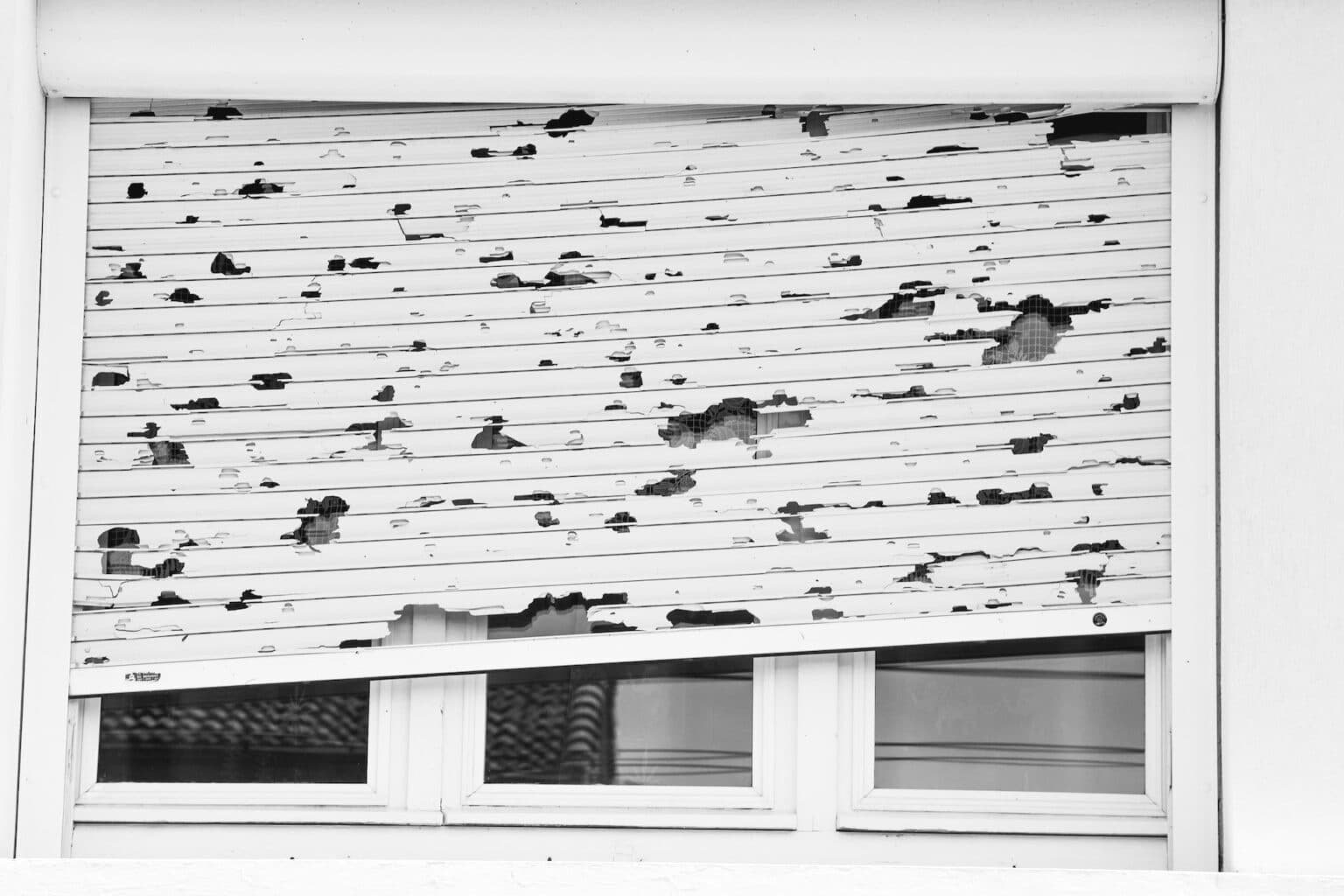
A broken window is not simply glass to replace. FEMA's Wind Retrofit Guide for Residential Buildings explains that unprotected glazing is vulnerable to wind-borne debris. Once an opening fails, rain gets in and internal pressure rises, raising the risk of further damage to furniture, flooring, ceilings, millwork, and electrical equipment. So the right question is not what the fabric costs, but what it costs to reduce your openings' documented vulnerability.
Purchase price is not cost of ownership
A system is also judged on how it gets used: preparation time, ease of deployment, storage, maintenance and, above all, the odds it goes up in time. A second home that sits empty for weeks needs an answer to who deploys it and how fast. A hotel or condo multiplies that job across hundreds of openings, and preparation time becomes a financial variable. FEMA's guide is blunt: many covering systems must go up before the event. Approval needs a realistic operating plan.
Preparing pays off even in a quiet year
CENAPRED's 2026 preparedness material reports that México is hit by roughly five tropical cyclones a year on average: three from the Pacific, two from the Gulf and the Caribbean Sea. NOAA's National Hurricane Center adds the calendar: the Atlantic season runs June 1 to November 30. A slow season can still deliver a severe strike at one point on the coast. The useful question is not how many storms formed, but whether the building is ready when its storm arrives.
Comparing properly: price, specification, and limits
Price per square meter only lets you compare proposals when the technical specification is visible too: opening area, system, approval, design pressure, anchoring method, and installation scope. More cost breakdowns are on the blog.
| Criterion | HF México certified system | Generic, undocumented | No protection |
|---|---|---|---|
| Upfront cost | From $1,995 MXN/m² installed | Varies; must be verified | $0 before the event |
| Technical evidence | FL15186-R7; ±80 PSF | Missing or not comparable | None |
| Impact protection | Evaluated as impact protection | Depends on the evidence | Opening left exposed |
| Rain after a failure | Reduced if deployed correctly | Unknown without testing | Higher if the opening fails |
| Operation | Deploy before the storm | Depends on the system | No preparation |
| Basis for comparison | Price + specification + limits | Never price alone | Cost shifts to damage |
If you only do one thing
Measure every vulnerable opening and protect it verifiably, before a storm is on the map. Phasing is legitimate when the budget demands it, but leaving one critical opening bare keeps a failure point in the building. HF México's case is not that it is cheapest. It is a transparent price—from $1,995 MXN per installed square meter—with FL15186-R7 approval, evaluation under the 2023 Florida Building Code, and a documented design pressure of ±80 PSF. To turn an estimate into a real scope, the HF México quote request is next.
Frequently Asked Questions
What does hurricane protection cost for a home in México in 2026?
From $1,995 MXN per installed square meter with HF México's certified system. The total depends on how much opening area you protect and on the installation conditions.
Is it calculated from the floor area of the house?
No. A 100, 200, or 300 m² house can have wildly different door and window area. The calculation is based on the square meters of openings to protect.
What would 20 m² of protection cost?
At $1,995 MXN/m², 20 m² works out to $39,900 MXN. That is a planning figure, not a final quote.
What approval backs the system, and what is its design pressure?
It is listed in the Florida product approval database as FL15186-R7, evaluated under the 2023 edition of the Florida Building Code, with a documented design pressure of +80/-80 PSF.
Does it carry a Miami-Dade approval?
No. The current approval states explicitly that the system is not approved for use in the HVHZ, which covers Miami-Dade and Broward.
Can I protect only the largest windows?
Phasing works when the budget requires it, but the most complete strategy covers every vulnerable opening. Leaving one critical opening bare keeps a failure point in place.