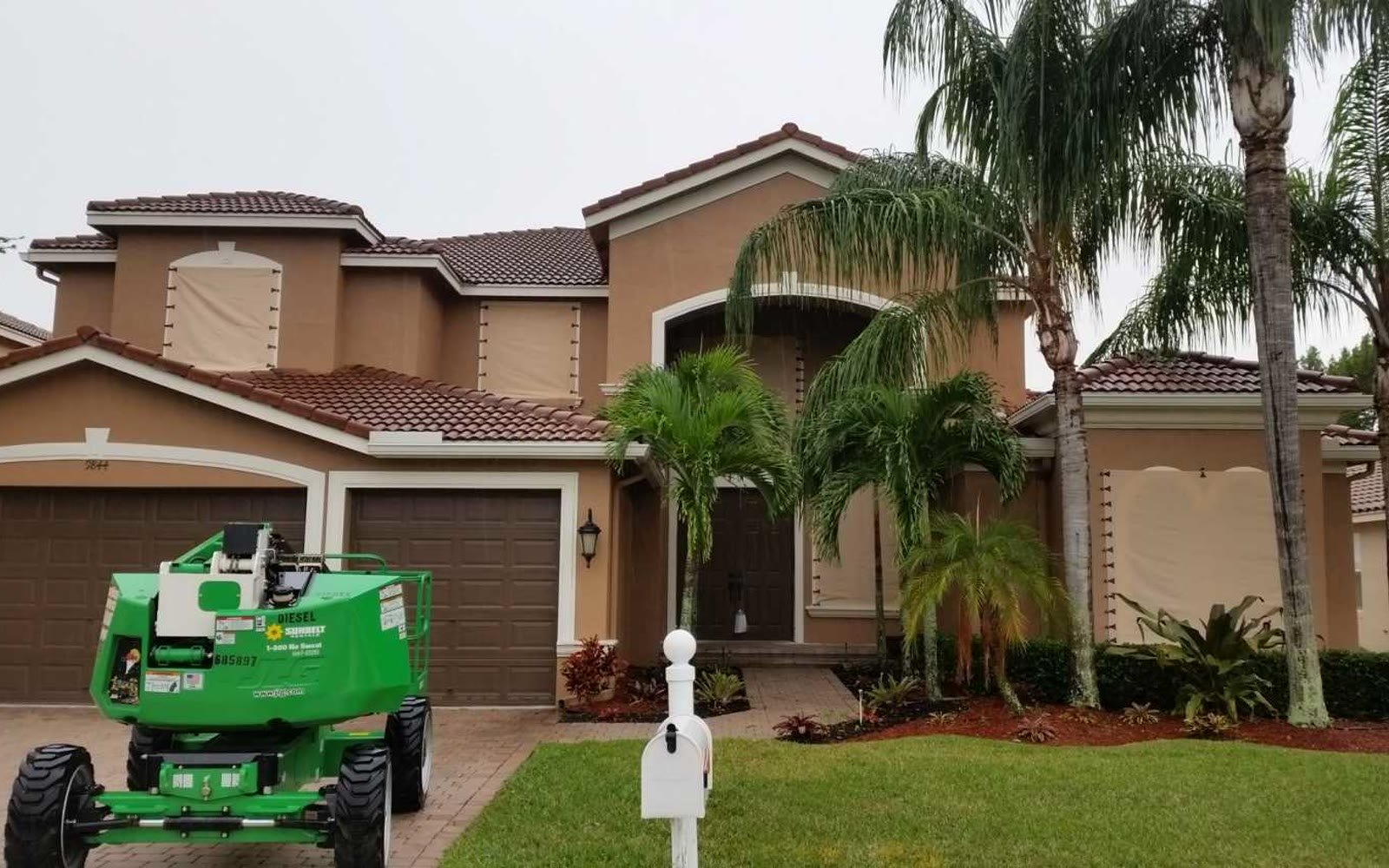
The garage door is usually the largest opening in a house. If it fails in a hurricane, wind rushes in, and the resulting internal pressure can lift the roof or blow out other openings from the inside. Treat it as a structural priority, not an afterthought.
Why the Garage Door Is a Structural Priority
Internal pressure is well documented in hurricane engineering. That is why codes such as the Florida Building Code treat a garage door as a critical opening, held to the same design-pressure standards as windows and doors.
One point of failure, most often the garage because of its size, can compromise the whole building even when every other opening is protected.
Does a Wind-Rated Door Replace Added Protection?
Not entirely. A wind-rated door carries its own product certification and lowers the risk. A certified outer layer such as AstroFlex can work alongside it, and the two together usually give more margin than either one alone, especially in high-exposure coastal areas.
AstroFlex has a certified design pressure of ±80 PSF, which applies to any opening, garages included.
How Protection Is Installed Over an Existing Garage Door
The principle matches other openings: upper and lower anchor points, spaced according to the substrate around the frame. That is usually concrete or block, though it can be wood.
One practical difference: you open and close a garage door every day. The system is deployed only when the door is closed, then stored away for normal use.
Protecting in Phases
Picture a house with two large windows, four standard ones, and a double garage door, where only part of the house can be protected right now. Following internal-pressure logic, the garage and the largest windows come first. The smaller windows can wait for a second phase.
That feels backward to many owners, who think first of fragile glass. Structurally, though, it is the other way around: because of its size and its role in internal pressure, the garage door is the biggest relative risk if left unprotected.
Why the Garage Weighs So Much in a Quote
In a quote broken down by opening, the garage often shows up as the largest single line. That does not mean its rate per square meter is different. A double garage door has several times the surface area of a window, so it needs more material and more anchoring. The surface changes; the way it is quoted does not.
If you are thinking of postponing the garage because of its weight in the investment, run the same comparison against your other openings first. Usually only the surface area differs.
Details That Change the Design
- Door type: sectional, roll-up, or swing-out. Each has a different frame and may change the anchoring method, so your provider should know yours before finalizing the design.
- Emergency access: if the garage is an alternate route into the home, agree with the installer that the system will not block entry or exit during or after the storm.
- Condominiums: for a shared garage, check the building rules. Protection may fall to the association or to individual owners.
- Contents: protecting the door also shields vehicles, equipment, and tools from wind and wind-driven rain if the door gives way.
- Daily routine: decide with your family or staff when the protection goes up, normally when an official tropical storm or hurricane alert is issued.
What to Check Before Requesting a Quote
Inspect your door first: material (metal, wood, or fiberglass), condition of the tracks and mechanisms, any prior damage, and the opening measurements. If the door already has a wind rating, ask the manufacturer for the documentation. It helps you judge how urgent an added layer is next to openings with no protection at all. With that in hand, your quote is more accurate and nobody has to visit just to gather basics. Here is how to get an accurate quote.
Risk Level by Garage Situation
| Garage situation | Risk level |
|---|---|
| Standard door, no added protection | High: likely failure point in severe wind |
| Wind-rated door, no added layer | Medium: reduced, not eliminated |
| Door with added certified protection | Low: two layers of resistance |
| Garage storing valuables | Added protection covers structural risk and contents |
| Shared condominium garage | Responsibility depends on the building rules |
| Door type | Affects the anchoring method |
To see what your garage needs, request a quote and an advisor will guide you based on your measurements and door type.
Conclusion
The garage should never be an afterthought in a hurricane plan. It is one of the most critical openings and almost always the largest. Putting it first is backed by wind-protection engineering, even when instinct points to the windows.
Frequently Asked Questions
Do I have to protect the garage if the door is already reinforced?
No, but an added certified layer lowers the risk further, especially in high-exposure areas.
Why is the garage the largest line in my quote?
Surface area. A double door is far larger than any single window; the quoting method is the same.
Does protecting the garage also protect what I store inside?
Yes. Besides reducing internal-pressure risk, it shields contents from wind and wind-driven rain.
Will the system block emergency access?
It should not. Confirm with your installer that it allows quick access, especially if the garage is an alternate route.
Does the door type affect installation?
Yes. Sectional, roll-up, and swing-out doors have different frames that can change the anchoring.
What should I check before requesting a quote?
The door material, the condition of the tracks and mechanisms, visible prior damage, and the opening measurements.